
Keynote Speakers
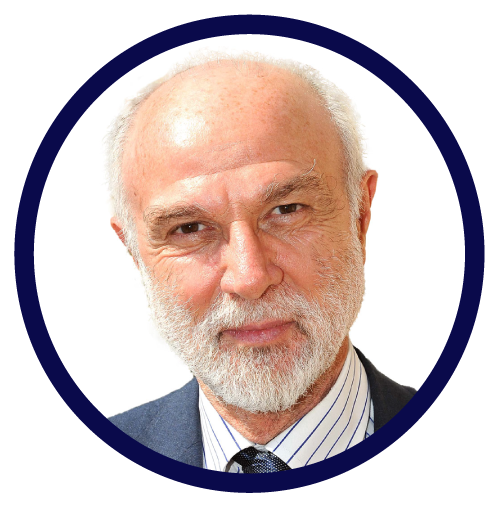
Paolo Maria Rossini is a leading neurologist whose career has been central to the development and standardization of non-invasive neuromodulation techniques, particularly transcranial magnetic stimulation and transcranial direct current stimulation, applied to the study of human brain function and neurological disease. A pioneer in advanced EEG and evoked potential methodologies, he has promoted their integration with neuromodulation to investigate brain connectivity, cognitive aging, and mechanisms of recovery. He has coordinated numerous multicenter studies focused on early biomarkers of mild cognitive impairment and dementia, neurorehabilitation after central and spinal lesions, and innovative bidirectional neuroprosthetic systems. Formerly Full Professor of Neurology at Università Cattolica del Sacro Cuore, he is currently Director of the Department of Neuroscience and Neurorehabilitation at IRCCS San Raffaele in Rome. He served as President of the International Federation of Clinical Neurophysiology from 2010 to 2014 and received the IFCN Erik Stålberg Award in 2023.
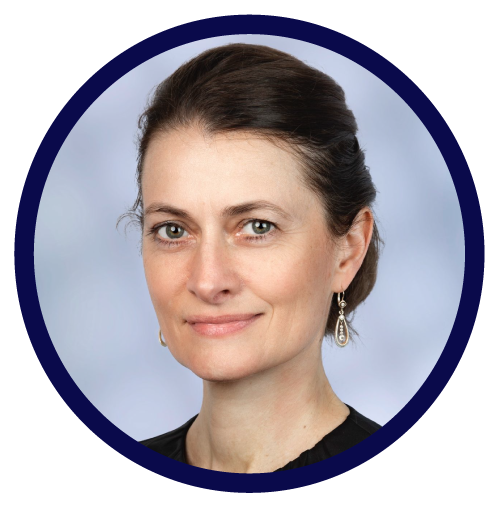
Odile van den Heuvel is an internationally recognized psychiatrist and neuroscientist whose work has substantially advanced the understanding of the neurobiological architecture of obsessive-compulsive disorder, behavioral addictions, and neuropsychiatric aspects of Parkinson’s disease. She is Full Professor of Psychiatry at Amsterdam UMC and Vrije Universiteit Amsterdam, where she leads multidisciplinary research programs combining neuroimaging, genetics, and machine learning to identify transdiagnostic brain mechanisms and predict treatment response. She plays a leading role in international collaborative initiatives, including the ENIGMA OCD Working Group and the OCD Brain Consortium.
Marom Bikson is a pioneering neural engineer whose research has shaped the development and clinical translation of non-invasive neuromodulation technologies, including high-definition tDCS, closed-loop stimulation protocols, and international safety and practice guidelines. He is Full Professor of Biomedical Engineering at the City University of New York, where he directs the Neural Engineering Group. Founder of Soterix Medical, he has authored over 300 scientific publications, holds more than 25 patents, and was inducted into the AIMBE College of Fellows in 2015. His work spans applications in stroke, neurorehabilitation, and human decision-making.
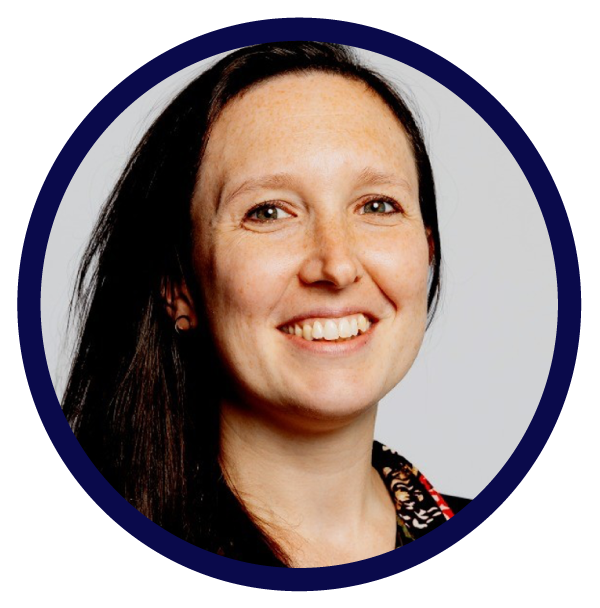
Sophie Fitzsimmons is a postdoctoral researcher at Amsterdam UMC and GGZ inGeest in Amsterdam, where she also works clinically in the Anxiety and OCD outpatient service. She trained as a physician at Cardiff University and completed an MSc in Neurosciences at Vrije Universiteit Amsterdam, before undertaking her PhD at Amsterdam UMC within the Neuropsychiatry group. Her doctoral thesis, defended in November 2024, addressed the mechanisms of transcranial magnetic stimulation-induced neuroplasticity in obsessive-compulsive disorder.
Her research sits at the intersection of non-invasive brain stimulation and functional neuroimaging, with a specific focus on OCD and anxiety disorders. She investigates how structural and functional network properties predict and mediate the clinical response to repetitive TMS, with the aim of developing neuroimaging-informed, precision approaches to treatment. She is an active member of the ENIGMA-OCD consortium, contributing to large-scale international mega-analyses of task-based fMRI data.
Dr Fitzsimmons has published in journals including Biological Psychiatry, NeuroImage: Clinical, and Human Brain Mapping, accumulating over 490 citations.
Her research sits at the intersection of non-invasive brain stimulation and functional neuroimaging, with a specific focus on OCD and anxiety disorders. She investigates how structural and functional network properties predict and mediate the clinical response to repetitive TMS, with the aim of developing neuroimaging-informed, precision approaches to treatment. She is an active member of the ENIGMA-OCD consortium, contributing to large-scale international mega-analyses of task-based fMRI data.
Dr Fitzsimmons has published in journals including Biological Psychiatry, NeuroImage: Clinical, and Human Brain Mapping, accumulating over 490 citations.
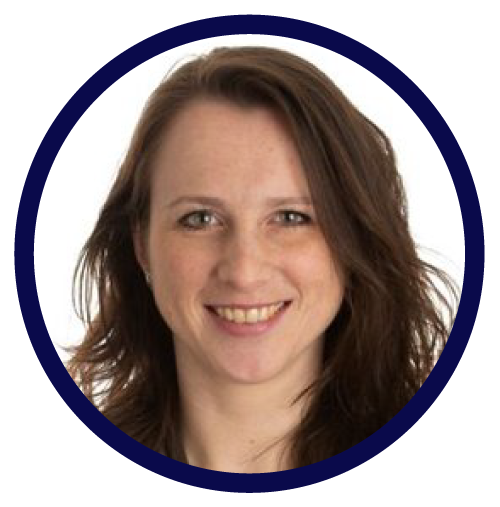
Dr. Nikita van der Vinne is head of research, TMS supervisor and (neuro)psychologist at Synaeda, mental health care clinic in The Netherlands. Within this outpatient setting, she initiated her PhD project under the joint supervision of the Brainclinics Foundation and the University of Twente. After achieving the doctoral degree with promising pilot results on the use of EEG biomarkers to guide pharmacological decision-making in depression, she established and expanded a research team, while also providing psychotherapy.
Her research group focuses on the development and clinical implementation of neuroscientific tools to improve the treatment of depression. The goal is to advance stratified psychiatry by integrating EEG and cardiovascular markers into evidence-based treatment pathways for both TMS and pharmacotherapy. In collaboration with the Brainclinics Foundation, this work has led to the development of Brainmarker-I and II, representing the age- and sex-normalized alpha peak frequency, and frontal alpha asymmetry.
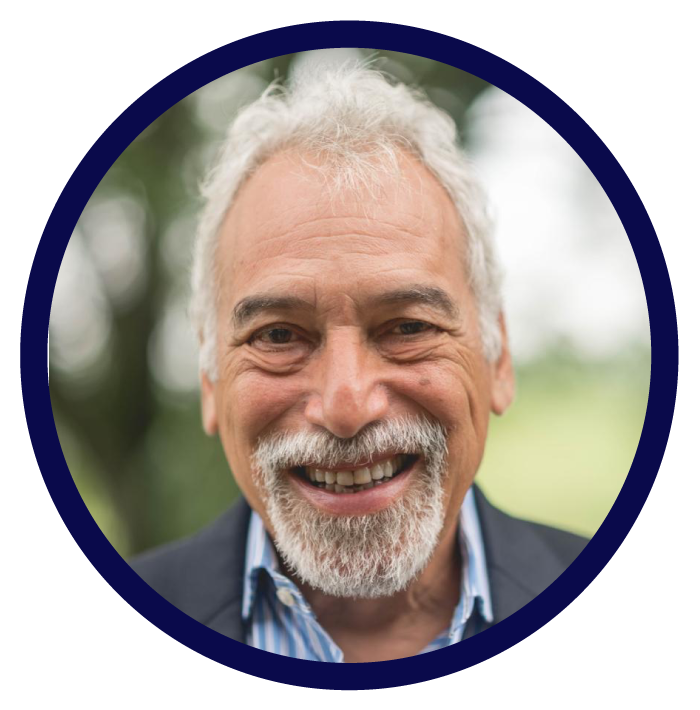
Harold A. Sackeim is widely recognized as a leading figure in modern electroconvulsive therapy research. For more than three decades he directed a major clinical research program at Columbia University as Director of the Division of Biological Psychiatry at the New York State Psychiatric Institute in New York. His work clarified key determinants of ECT efficacy and safety, including the development of ultrabrief pulse stimulation to reduce cognitive side effects. He has also contributed to the clinical development of several neuromodulation techniques, including transcranial magnetic stimulation, vagus nerve stimulation, and deep brain stimulation. In addition, he invented Magnetic Seizure Therapy (MST) and Focal Electrically-Administered Seizure Therapy (FEAST), and helped pioneer the use of functional neuroimaging to investigate the neural circuits underlying mood disorders. With more than 450 scientific publications, he has received numerous honors, including three NARSAD Distinguished Investigator Awards and a MERIT Award from the National Institute of Mental Health.